
Why Constant-Force Spring Systems Outperform Traditional Lifts in Commercial Shading
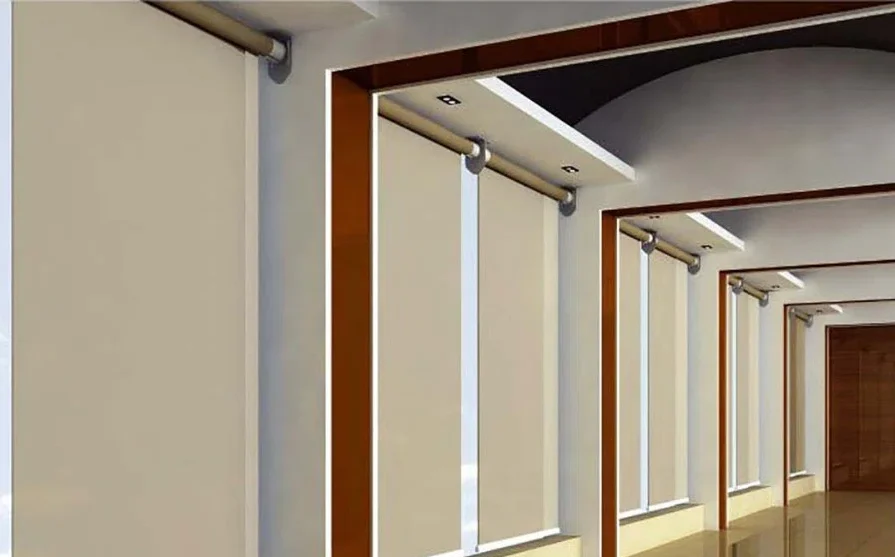 |
In commercial shading projects, lift system reliability is defined by cycle life, force stability, and predictable behavior under repeated use.
This article explains why constant-force spring systems have become the preferred engineering solution over traditional spring-based lifts.
This article is part of our broader guide on Maintenance-Free Cordless Lift Systems for Commercial Projects maintenance-free cordless lift systems for commercial projects,
which examines lifecycle cost, system architecture, and application requirements across commercial environments.
Quick Summary
Commercial window coverings experience significantly higher operating frequency than residential systems.
Traditional lift springs suffer from force decay, uneven motion, and early fatigue under these conditions.
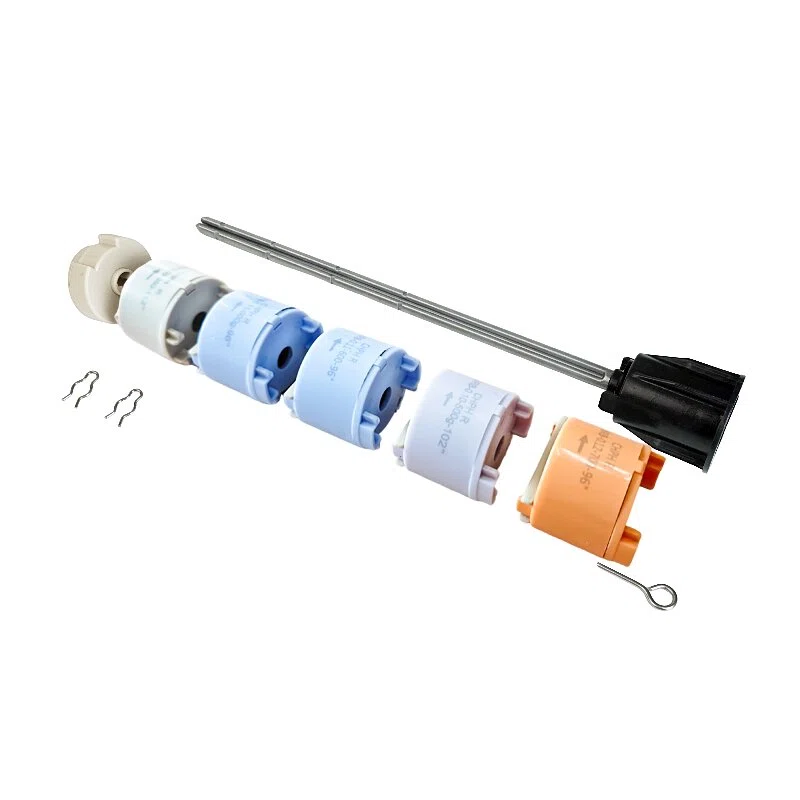
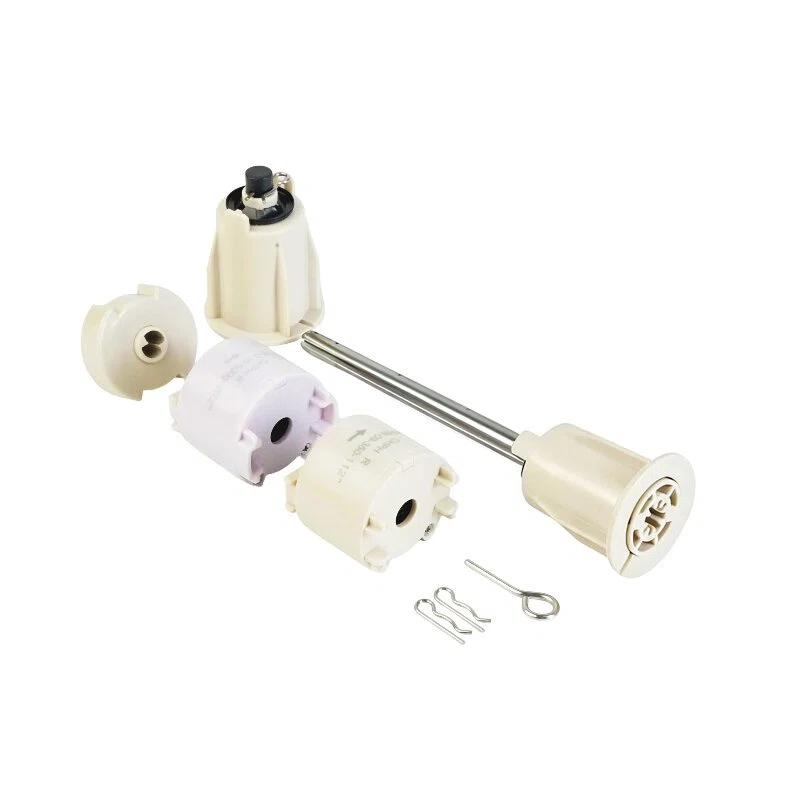
Constant-force spring systems are engineered to deliver stable output across the full travel range,
making them better suited for high-cycle commercial shading applications.
 |
 |
1. Commercial Use Is a Different Mechanical Problem
In residential environments, a window covering may be operated a few times per day.
In contrast, commercial installations—offices, healthcare facilities, hotels—can see
five to ten times that usage, often by different users with inconsistent handling.
This difference fundamentally changes the mechanical requirements of a lift system:
- Higher cumulative cycle counts over the same service life
- Greater exposure to shock loading and abrupt user input
- Lower tolerance for drift, noise, or inconsistent behavior
Lift mechanisms designed for residential duty cycles are rarely optimized for these conditions.
2. Limitations of Traditional Spring-Based Lift Systems
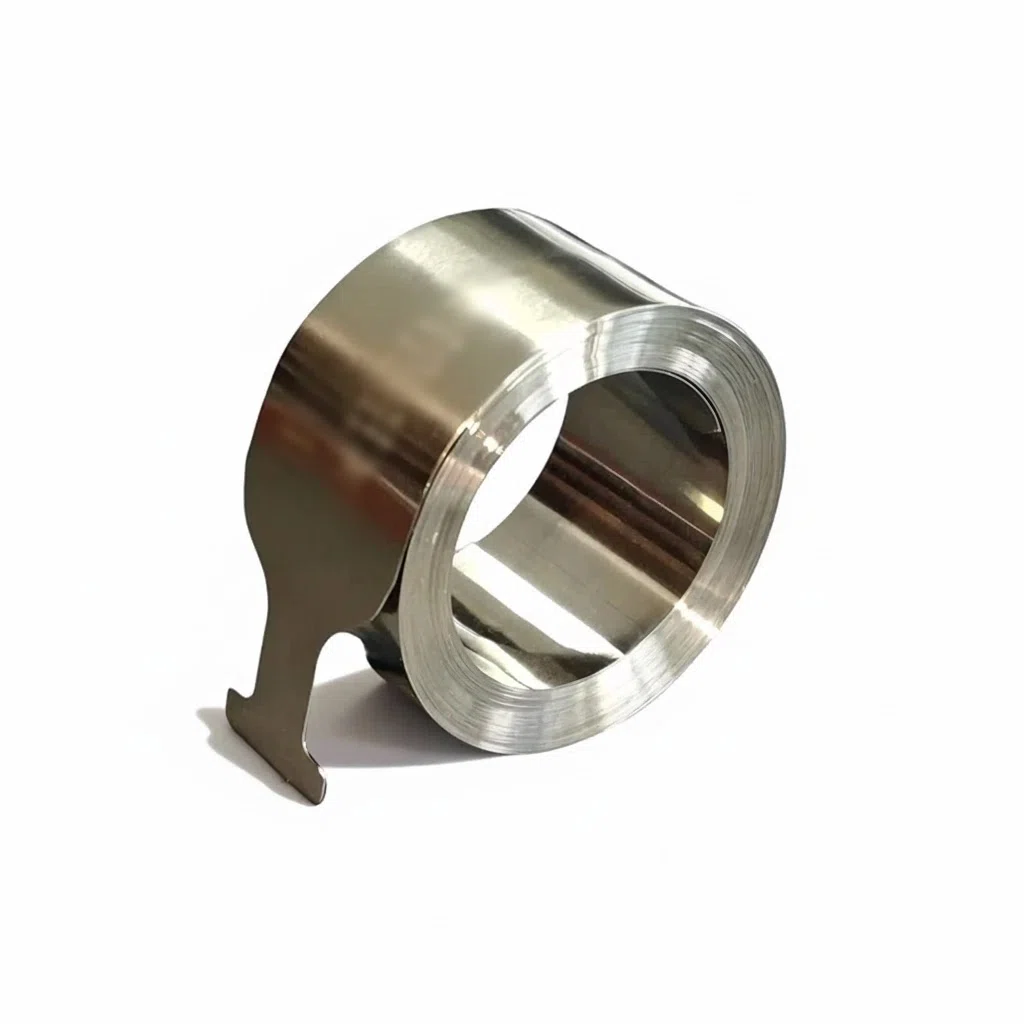
Conventional lift systems typically rely on torsion or variable-rate springs
whose output force changes significantly across the lift stroke.
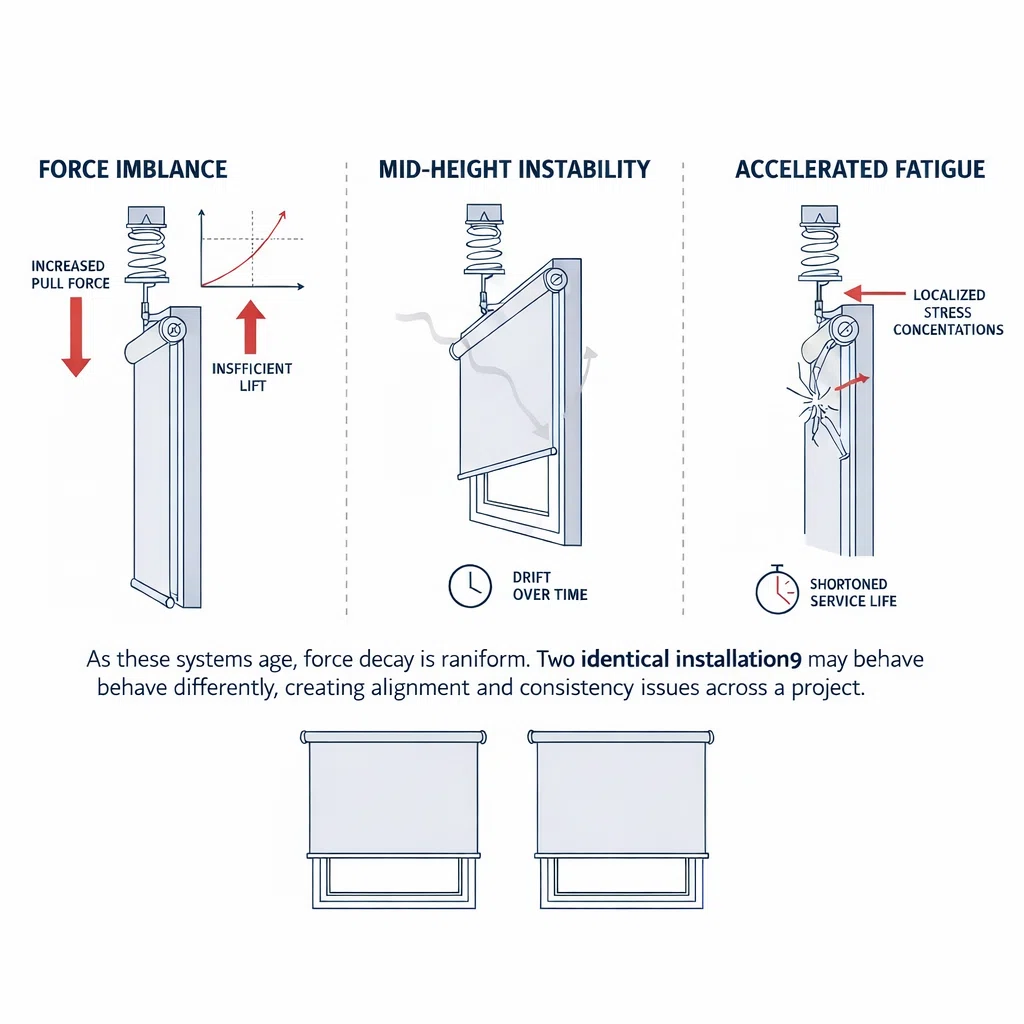
Under commercial usage, this leads to several predictable failure modes:
- Force imbalance: increased pull force at certain positions and insufficient lift at others
- Mid-height instability: shades that fail to hold position or drift over time
- Accelerated fatigue: localized stress concentrations that shorten service life
 |
 |
As these systems age, force decay is rarely uniform.Two identical installations may begin to behave differently,
creating alignment and consistency issues across a project.
3. How Constant-Force Spring Systems Address These Issues
3.1 Linear Force Output Across the Travel Range
Constant-force spring systems are designed to deliver near-uniform output
regardless of extension or retraction length.
From an engineering perspective, this provides three critical advantages:
- Consistent operating effort at any shade position
- Reduced peak stresses during operation
- Predictable interaction with braking or damping components
The result is motion that feels stable and controlled rather than position-dependent.
3.2 Improved Fatigue Performance
Fatigue failure is driven not only by total load, but by how that load is distributed.
Constant-force springs are engineered to spread bending stress more evenly
across the active material, reducing localized stress concentrations
that typically initiate cracks or permanent deformation.
For commercial suitability, these systems are commonly validated through extended cycle testing,
with stable performance expected beyond 10,000 full lift cycles under rated load.
3.3 Predictable Aging Behavior
No mechanical system is immune to wear.The engineering objective in commercial shading is not zero degradation,
but controlled, predictable degradation.
Constant-force systems tend to exhibit gradual, uniform force reduction over time,
rather than abrupt performance loss.
This predictability allows the system to remain within acceptable operating limits
throughout its intended service life.
4. System-Level Benefits in Commercial Installations
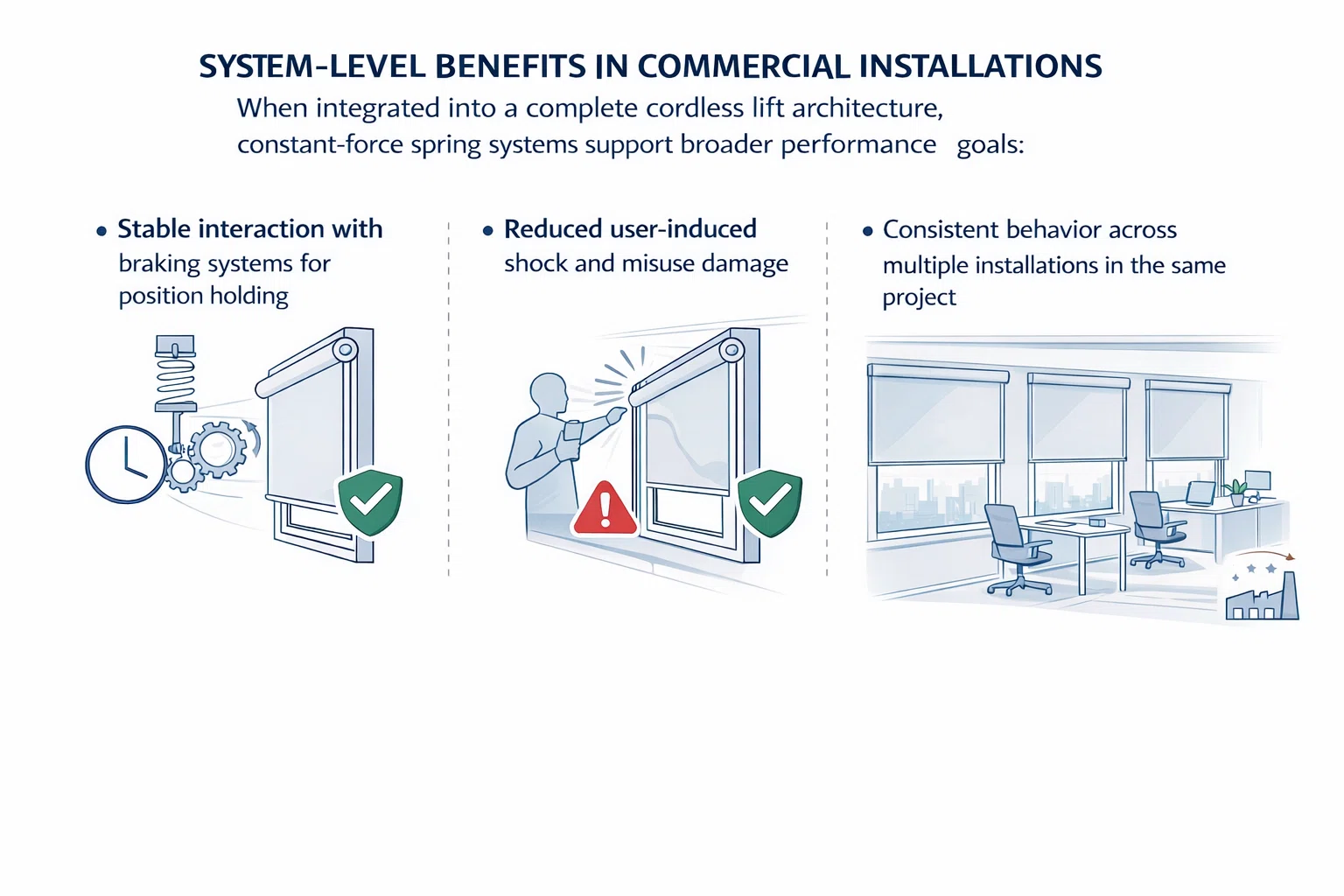
When integrated into a complete cordless lift architecture,
constant-force spring systems support broader performance goals:
 |
|
- Stable interaction with braking systems for position holding
- Reduced user-induced shock and misuse damage
- Consistent behavior across multiple installations in the same project
These characteristics directly translate into fewer service interventions
and improved long-term visual consistency in commercial spaces.
Field Insight
In commercial shading, constant-force spring systems are not a premium upgrade—
they are a response to real mechanical demands.
By prioritizing force stability, fatigue resistance, and predictable aging,
these systems outperform traditional lift designs
in environments defined by high usage and low tolerance for failure.