
Maintenance-Free Cordless Lift Systems for Commercial Projects
 |
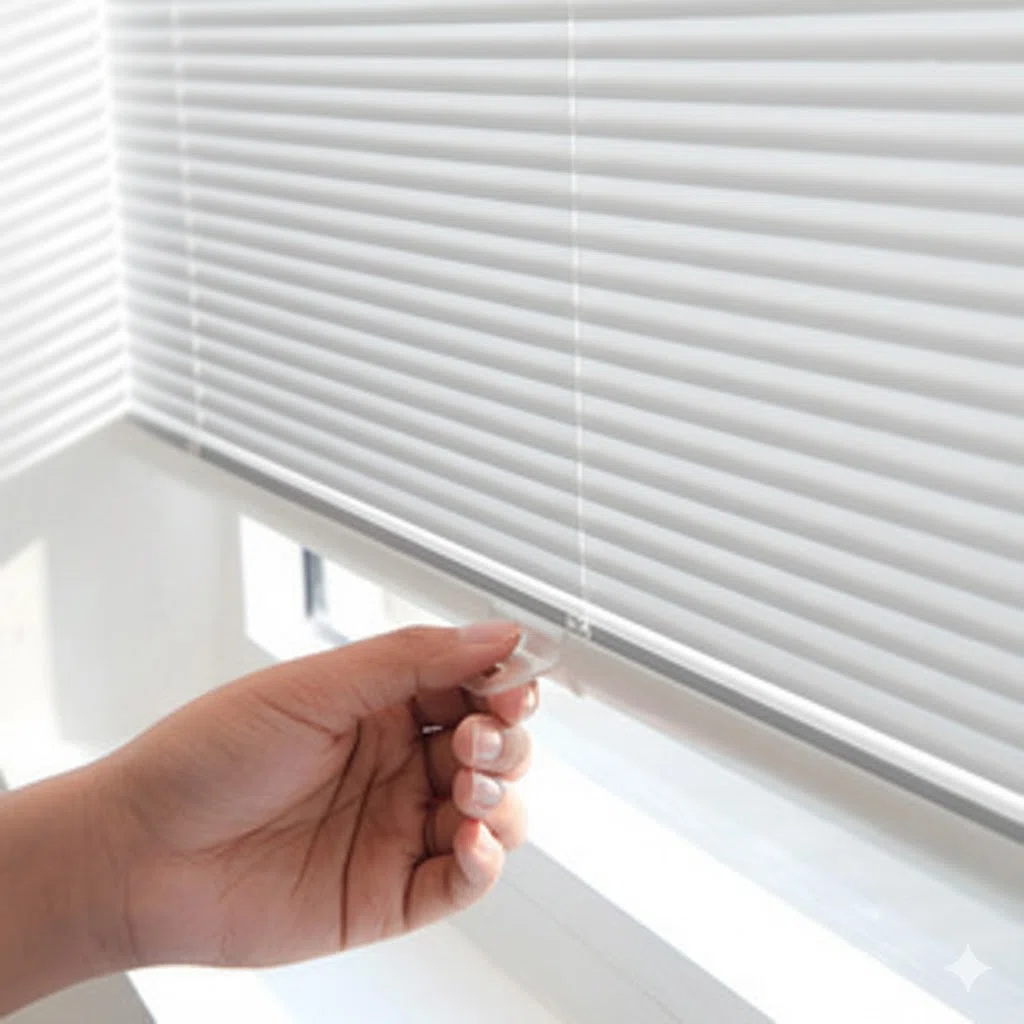 |
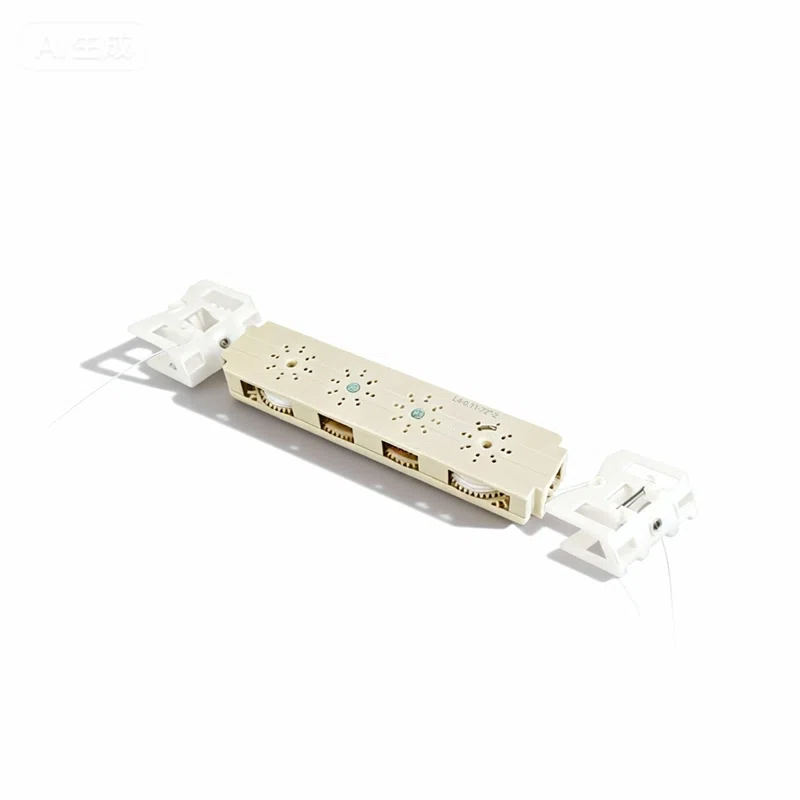
In commercial environments, a cordless lift system is no longer a feature upgrade.
It is a structural requirement driven by regulation, lifecycle cost control, and operational reliability.
Quick Summary
Maintenance-free cordless lift systems have become the new baseline for commercial shading projects.
This article explains why traditional cord-based mechanisms fail under high-frequency commercial use,
how precision spring and braking systems enable long-term reliability,
and what engineers, specifiers, and procurement teams should evaluate when selecting cordless solutions
for offices, healthcare facilities, and hospitality environments.
1. Why Commercial Projects Demand Maintenance-Free Lift Systems
Commercial window coverings operate under conditions fundamentally different from residential use.
Daily actuation frequency, user diversity, and liability exposure place far higher demands on mechanical reliability.
Traditional corded lift systems introduce recurring failure points:
- Cord abrasion, stretching, and breakage under repetitive load
- Unpredictable user interaction leading to misuse and premature wear
- Maintenance interventions requiring site access, labor, and operational disruption
As regulatory frameworks increasingly restrict exposed operating cords,
commercial projects are transitioning toward cordless architectures by default.
However, removing cords alone does not eliminate maintenance.
The internal drive system becomes the determining factor.
2. Lifecycle Cost Reality in Commercial Shading
In B2B projects, the true cost of a lift system is measured across its operational lifespan,
not at the point of purchase.
Key contributors to lifecycle cost include:
- Frequency of on-site service calls
- Labor access constraints (height, room availability, operating hours)
- Component replacement cycles
- Indirect costs from downtime and tenant complaints
A lift mechanism that appears economical at procurement stage can become expensive
once repeated maintenance is factored in.
For this reason, commercial specifications increasingly prioritize
systems designed for long-term mechanical stability rather than minimum initial cost.
| Feature | Performance Standard | Benefit |
| Spring Lifespan | 10,000+ Cycles | Reduces replacement frequency |
| Weight Capacity | Up to 15 lbs (7kg) | Supports heavy-duty commercial fabrics |
| Material | High-tensile stainless steel / Engineering plastics | Corrosion-resistant & durable |
| Compliance | ANSI/WCMA A100.1-2022 | Eliminates liability and safety risks |
3. The Engineering Core of a Maintenance-Free Cordless System
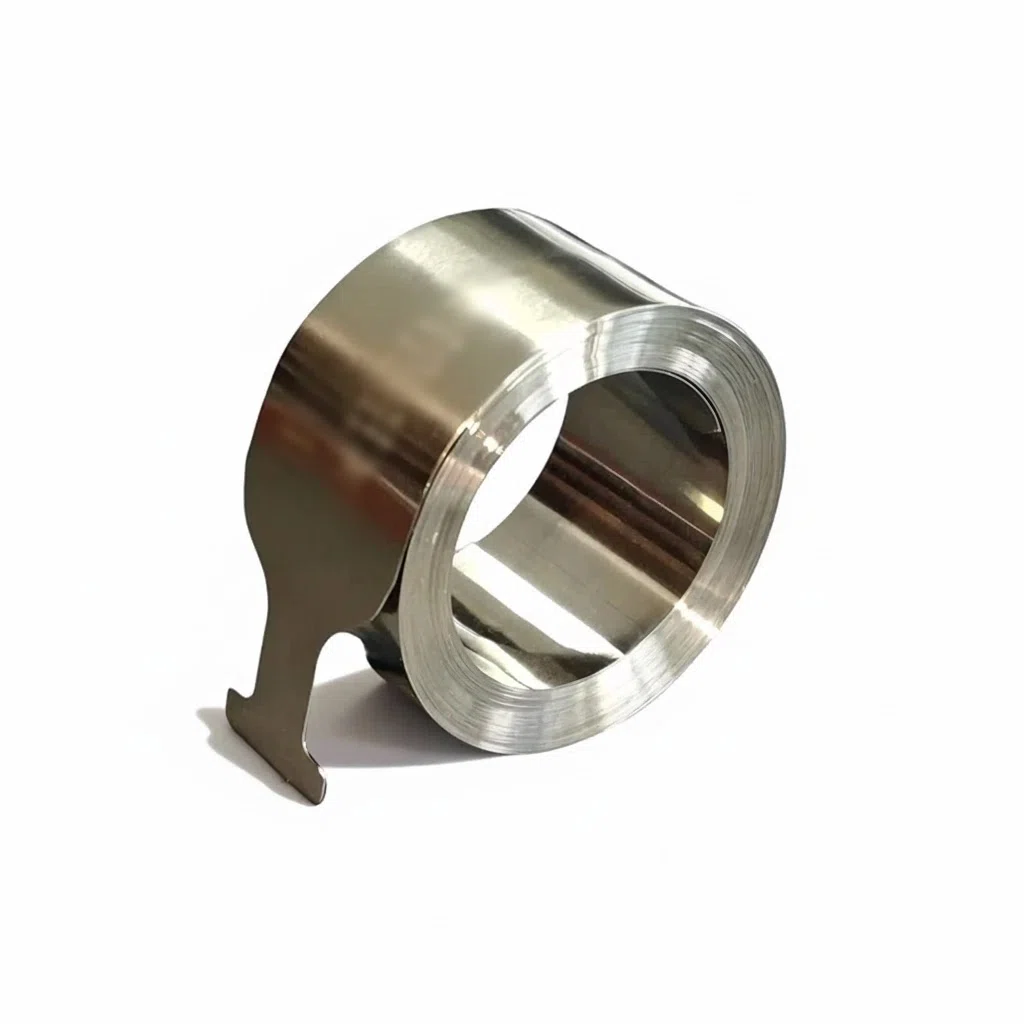
3.1 Constant-Force Spring Systems
At the center of a cordless lift system is the spring mechanism responsible for balancing fabric load.
In commercial applications, force consistency and fatigue resistance are critical.
Constant-force spring systems are engineered to deliver near-linear output across the full travel range.
This enables:
- Consistent operating force regardless of shade position
- Reduced user-induced shock loading
- Stable behavior across wide and tall fabric dimensions
For commercial suitability, spring systems are typically validated through extended cycle testing.
A baseline expectation is stable performance beyond 10,000 full lift cycles under rated load,
with controlled force drift and no structural degradation.
 |
|
3.2 Braking and Damping Mechanisms
Spring energy without controlled release leads to operational instability.
Braking systems regulate motion, position holding, and acoustic behavior.
Effective commercial braking solutions address three functional requirements:
- Anti-backslide: prevents slow downward creep in large or heavy shades
- Position stability: allows the shade to remain fixed at any height without oscillation
- Noise control: minimizes chatter, impact noise, and friction-related sound
The spring and brake must be tuned as a unified system.
Overpowered springs increase wear and noise,
while insufficient braking results in drift and loss of perceived quality.
4. Performance Under High-Frequency Commercial Use
Commercial environments typically experience 5–10 times the daily operation cycles of residential spaces.
This accelerates fatigue, surface wear, and tolerance drift in poorly designed mechanisms.
Maintenance-free cordless systems are characterized by:
- Materials selected for high fatigue endurance and corrosion resistance
- Controlled stress distribution to avoid localized failure points
- Stable interfaces that resist friction growth over time
The objective is not zero wear, but predictable, slow degradation
that remains within functional limits throughout the intended service life.
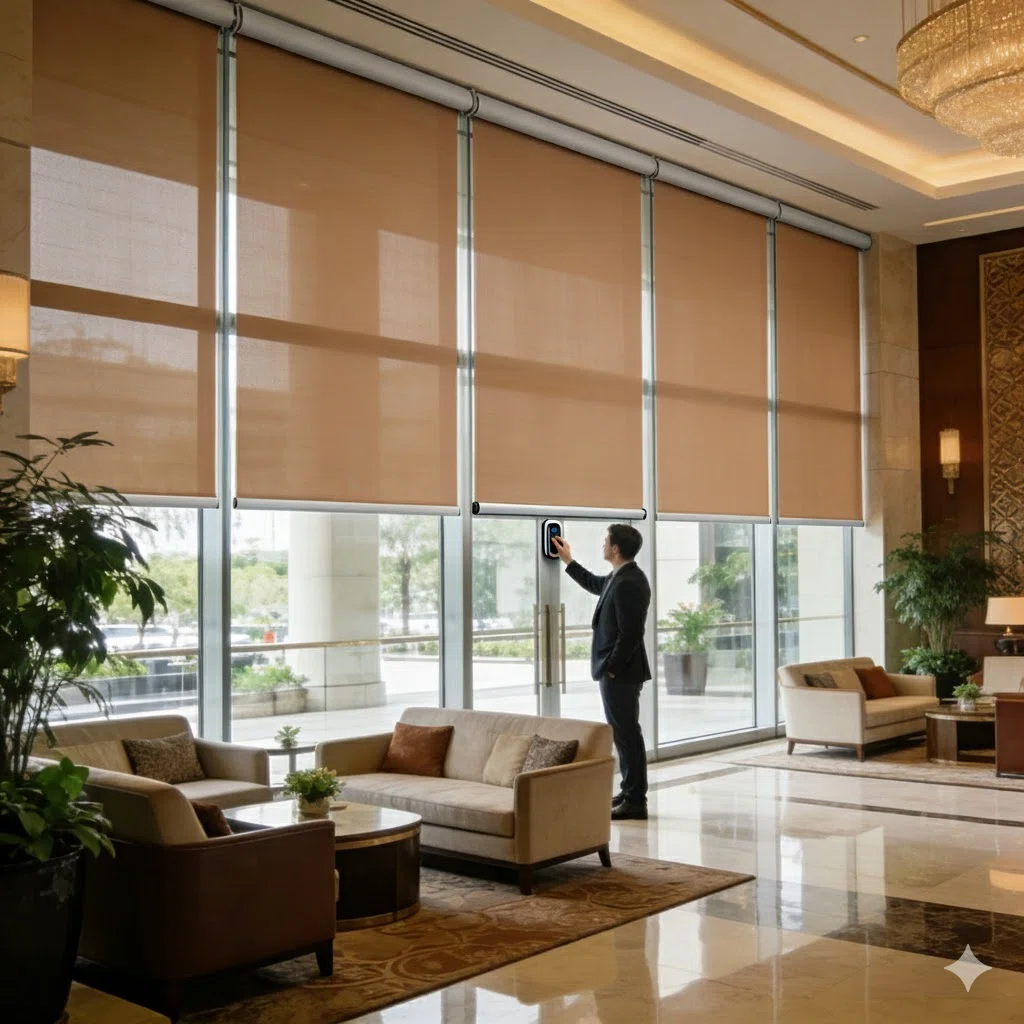
5. Application Considerations Across Commercial Sectors
 |
Healthcare Facilities
Healthcare environments prioritize hygiene, reliability, and acoustic control.
Cordless systems eliminate exposed dust-collecting elements
and reduce the need for in-room maintenance intervention.
Office Buildings
Large glazing areas demand lift systems capable of supporting wide and tall shades.
Force stability and synchronized movement are essential to maintain visual alignment
across multiple installations.
Hospitality and Public Spaces
In hotels and public buildings, intuitive operation reduces misuse.
Cordless systems limit user-induced damage
and help maintain consistent appearance across rooms and floors.
Field Insight
In commercial projects, maintenance-free performance is not achieved by simplifying the product,
but by increasing engineering precision.
A well-balanced cordless lift system relies on the controlled interaction between
constant-force spring mechanisms and calibrated braking elements.
When designed for high-cycle use and real-world operating conditions,
these systems reduce service intervention, stabilize long-term performance,
and support the operational expectations of modern commercial spaces.
For a deeper engineering comparison between constant-force springs and traditional lift designs,
see our detailed technical analysis:
Why Constant-Force Spring Systems Outperform Traditional Lifts in Commercial Shading.